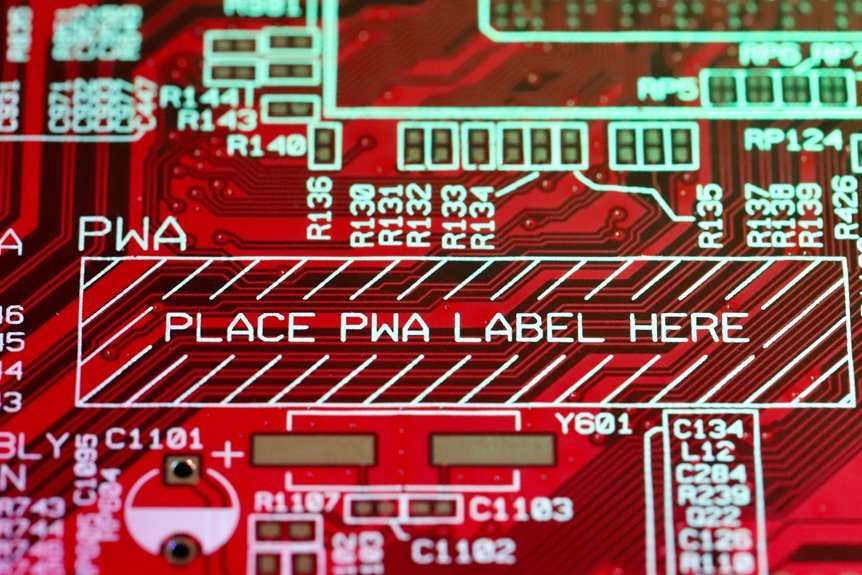
The Zenith Circuit Coordination Sheet defines governance-aligned controls for five identifiers: 6104652002, 4694096902, 3512906713, 18005614248, and 9546200011. It outlines ownership, interfaces, data flows, and fault localization criteria. The document emphasizes disciplined logging and milestone-driven coordination. It sets pathways for status mapping and rapid anomaly isolation across subsystems. Stakeholders should anticipate cross-functional alignment and clear responsibilities, with outcomes linked to defined milestones that signal the next phase of work.
What the Zenith Circuit Coordination Sheet Covers
The Zenith Circuit Coordination Sheet delineates the essential components and their interactions within the system, outlining the scope of monitoring, control signals, and performance metrics. It emphasizes governance alignment as a guiding principle and identifies risk mitigation strategies embedded in data flows, event responses, and fault tolerances. The document clarifies responsibilities, interfaces, and authorization levels for transparent decision-making and operational resilience.
How to Read Each Identifier on the Sheet
Each identifier on the sheet encodes a specific aspect of the Zenith Circuit, enabling quick interpretation of role, scope, and status. Read identifiers by their position: prefix indicates function, numeric sequences reveal subsystem, version, and priority. Discrete signals are mapped to channels, while data mapping clarifies interconnections. This systematic approach supports autonomous assessment, enabling informed decisions with minimal ambiguity and maximal efficiency.
Practical Troubleshooting Steps for 6104652002, 4694096902, 3512906713, 18005614248, 9546200011
Practical troubleshooting for the five identifiers—6104652002, 4694096902, 3512906713, 18005614248, and 9546200011—begins with a structured verification sequence: confirm input integrity, map each identifier to its corresponding subsystem, and check for recent status changes. Calibration timing, fault localization, and disciplined logging guide targeted diagnostics, enabling rapid isolation of anomalies without unnecessary verbosity or speculation.
Best Practices for Cross-Functional Alignment and Timeline Sync
Best practices for cross-functional alignment and timeline sync emphasize clear ownership, shared milestones, and standardized communication channels to ensure coordinated progress across teams.
Alignment governance formalizes roles, responsibilities, and decision rights, while cross functional prioritization guides resource allocation.
Milestone accountability clarifies deliverables and due dates, enabling risk mitigation through proactive monitoring and transparent status reporting across stakeholders.
Frequently Asked Questions
How Are Latency Targets Defined Within the Coordination Sheet?
Latency targets in the coordination sheet are defined via latency benchmarks, specifying acceptable delays for each circuit. Escalation procedures trigger notifications and corrective actions when benchmarks are exceeded, ensuring timely performance and freedom to optimize across stakeholders.
Who Is the Primary Owner for Each Identifier?
Coincidence marks a pattern: the primary owner varies by identifier. Ownership is captured in the owner mapping, while latency definition aligns with each owner’s responsibilities. The document references ownership consistently, enabling clear owner mapping and latency definition.
Can the Sheet Export Integrate With External Project Tools?
The sheet supports export integration with external tooling. It enables data interchange, enabling cross-system workflows while preserving data integrity; however, configuration may vary by tool and requires standardized interfaces for reliable external tooling compatibility.
What Privacy Controls Govern Shared Access to the Sheet?
Access controls define privacy controls, access logging, and user roles, while versioning and audit trails support provenance tracking. Sharing policies, data retention, encryption at rest, MFA, session timeouts, and least privilege govern external integrations and API permissions.
How Often Are the Identifiers Updated or Deprecated?
Identifiers update occurs on a defined cadence; deprecated lifecycle governs removal timing, with criteria documented. The process emphasizes transparency, minimizes disruption, and allows responsible freedom in management while maintaining system integrity and operational continuity.
Conclusion
The Zenith Circuit Coordination Sheet provides a concise, structured framework for monitoring the five identifiers, detailing ownership, interfaces, data flows, and fault localization. Each entry’s subsystem, version, and priority support disciplined diagnostics and rapid anomaly isolation, while cross-functional alignment and milestone-driven coordination underpin transparent operation. Collectively, the sheet keeps teams on the same page, enabling efficient troubleshooting. In short, it ensures smooth sailing even when the circuit hits rough waters. Everyone stays in sync, no stones unturned.
