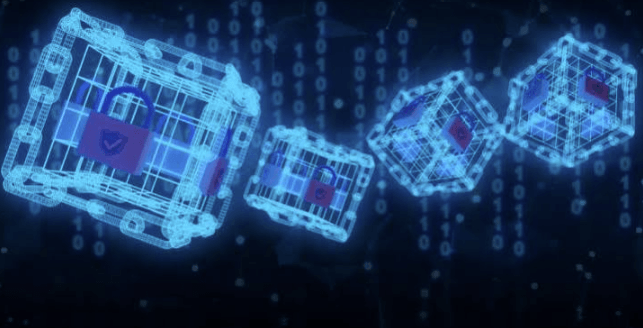
Blockchain is a distributed ledger where transactions are recorded across multiple nodes. Each block contains a batch of validated transactions and a cryptographic link to the previous block. Decentralization removes single points of control, while consensus mechanisms ensure agreement on the ledger’s state. Immutability arises from cryptography and append-only records, making tampering difficult. Real-world use cases span finance, supply chains, and data integrity. The fundamental mechanics are clear, yet the implications for governance and economics require careful examination.
What Is Blockchain? a Beginner-Friendly Overview
Blockchain is a distributed ledger technology that records transactions across a network of computers in a way that ensures data integrity and immutability.
The system relies on cryptography basics to secure data, consensus protocols to validate entries, and immutable chaining of blocks.
It introduces token economics as incentives, guiding participation, while maintaining openness, fault tolerance, and transparent governance for freedom-oriented users.
How Transactions Move Through a Blockchain
Transactions propagate through a blockchain by broadcasting a new transaction to a network of nodes, where each node independently validates the transaction against protocol rules and current state before sharing it further.
The system implements transaction sequencing to preserve order and prevent double-spending, while block propagation errors are mitigated by relay strategies, timeout handling, and verification delays to maintain consistent ledger state across participants.
Key Concepts: Decentralization, Consensus, and Immutability
Decentralization distributes authority across a network of participants rather than concentrating it in a single entity, enabling resilience, censorship resistance, and global participation. The discussion centers on how decentralization benefits participants by distributing trust and control, reducing single points of failure.
Immutability arises from append-only records secured by cryptographic links. Consensus mechanisms ensure agreement on state, while governance remains transparent and verifiable.
Real-World Ways Blockchain Is Used Today
Real-world blockchain applications span finance, supply chain, and data integrity, leveraging immutable ledgers and decentralized verification to increase transparency and reduce operational risk. In practice, cryptocurrency markets illustrate programmable finance, while supply chain tracking enables end-to-end provenance, reducing counterfeits and delays. Distributed ledgers support auditable records, while smart contracts automate compliance, governance, and settlement, aligning stakeholders without centralized intermediaries.
Frequently Asked Questions
How Is Blockchain Secured Against Quantum Computer Attacks?
The question is answered: blockchain security against quantum attacks relies on quantum-resistant cryptography and ongoing protocol upgrades. Security myths are dispelled, while real quantum risks are mitigated through post-quantum algorithms, key rotation, and rigorous security audits.
Can Private Blockchains Be as Secure as Public Ones?
Private blockchains can achieve strong security, but not equivalent to public ones; Security tradeoffs arise from governance, consensus, and access controls. Public vs Private security tradeoffs hinge on transparency, compliance, and controlled governance within Private blockchains.
See also: Techtrends Bouncemediagroup
What Are Common Blockchain Scalability Bottlenecks in Practical Use?
Common scalability bottlenecks in practical use involve throughput limits, latency, and consensus delays, with scalability tradeoffs shaping performance; bottleneck benchmarks reveal network saturation points, while privacy, security, and governance considerations temper optimization to match real-world demands.
How Do Tokens Differ From Cryptocurrencies in Value and Use?
Tokens differ from cryptocurrencies in that tokens represent assets or utilities on a blockchain, while currencies act as native money. The distinction hinges on use cases; value vs use are context-dependent, with tokens vs currencies emphasizing asset representation and functional scope.
What Future Regulatory Challenges Might Impact Blockchain Adoption?
Regulatory compliance tightens, cross border data privacy tightens; regulators pursue clarity, certainty, and accountability, while innovators seek resilience, interoperability, and freedom. The future regulatory challenges might constrain experimentation, elevate standards, and shape adoption pathways across jurisdictions and platforms.
Conclusion
Blockchain technology offers a precise, methodical framework for secure, auditable digital records. By detailing decentralization, consensus, and immutability, it clarifies how transactions propagate, are validated, and become immutable blocks. The system’s integrity hinges on distributed validation and contiguous consensus, reducing single points of failure. Real-world deployments—from finance to supply chains—demonstrate tangible benefits in transparency and efficiency. As the adage goes, “practice makes perfect”—continuous iteration and careful governance will refine implementations and unlock broader adoption.
