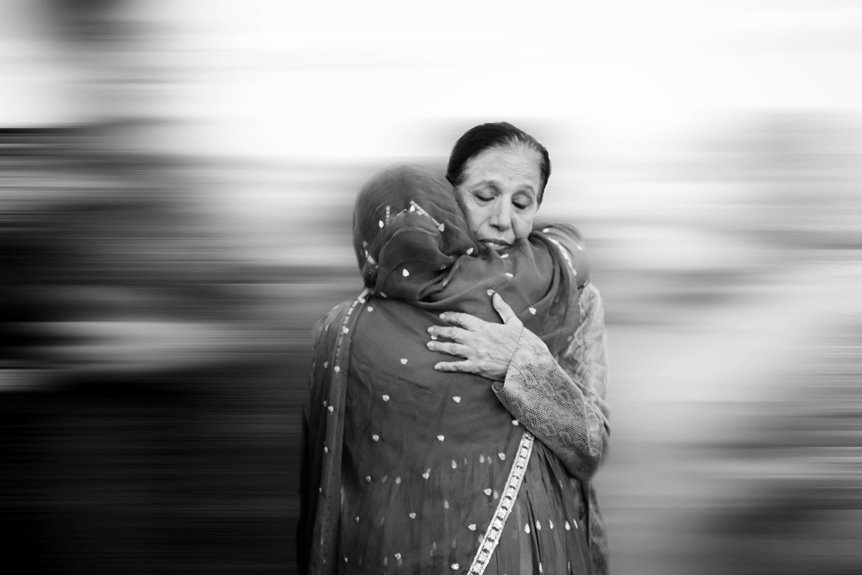
The phrase “most struggled person in the world” points to a mosaic of hardship, not a single individual. Chronic poverty, unstable housing, caregiving, illness, and systemic barriers converge across regions, shaping daily life with stigma and precarious work. Yet pockets of resilience appear through mentorship, mutual aid, and policy advocacy grounded in data. The full picture demands careful, evidence-based inquiry that translates awareness into tangible support, leaving the next question open and inviting careful consideration.
What “Most Struggled Person” Really Means
The phrase “Most Struggled Person” signals an attempt to identify individuals facing extreme hardship across varied dimensions of life. It acknowledges that multiple factors interact, shaping lived experience. The concept highlights poverty stigma and systemic barriers, which impede opportunities and dignity. Recognition prompts careful analysis, evidence-based responses, and targeted support, while avoiding sensationalism. Freedom-minded discourse seeks solutions rooted in fairness, accountability, and measurable improvement.
The Hidden Forces Behind Everyday Struggle
Hidden forces shape everyday struggle in ways that often go unseen: economic precarity, housing instability, and caregiving burdens intersect with health, education, and labor markets to magnify daily hardship.
The analysis remains cautious, empathetic, and evidence-based, avoiding sensationalism.
Two word discussion ideas illuminate patterns; hidden forces connect housing, work, and care, guiding policy toward freedom through targeted, precise interventions for resilience.
Voices From the Margins: Personal Stories of Resilience
Voices From the Margins offers a clear glimpse into how individuals cultivate resilience amid persistent hardship. The narratives document facing invisibility and the steady practice of adaptive coping, informed by context and evidence. Residents describe small victories, mentorship, and peer support, while community advocacy shapes safer spaces and resource access. These accounts emphasize resilience without glamorizing trauma, guiding readers toward informed, constructive freedom.
Measuring Progress: From Awareness to Action
Measuring progress from awareness to action requires careful differentiation between exposure to information and tangible changes in behavior, policy, and resource access.
The analysis notes awareness gaps often trail action gaps, with resilience strategies needing alignment to systemic barriers.
Evidence suggests progress emerges when data informs targeted interventions, accountability, and inclusive participation, reducing fear while expanding freedom to act beyond headlines.
Frequently Asked Questions
Who Defines Who Is “Most Struggled”?
Who defines who is “most struggled”? Experts, communities, and individuals weigh criteria such as adversity, duration, and impact, but definitions vary. The process emphasizes evidence, ethics, and empathy, ensuring shifts in suffering are recognized without sensationalism.
Can Struggle Be Measured Objectively Across Cultures?
Strikingly, not precisely: struggle cannot be measured entirely objectively across cultures. The claim relies on subjective interpretation, though objective metrics and cross cultural validity can guide comparisons while respecting context, limitations, and individual freedom in cautious, empathetic evidence-based discourse.
What Are the Signs Someone Is Not Seeking Help?
Signs someone is not seeking help include ignoring cues, minimizing distress, and delaying action; cultural differences may influence help-seeking. The stance remains cautious, empathetic, evidence-based, acknowledging autonomy and freedom while encouraging supportive pathways across diverse contexts.
How Do We Prevent Harm When Discussing Vulnerability?
To prevent harm when discussing vulnerability, one should employ compassionate framing and ethical storytelling, carefully balancing truth with sensitivity; the approach remains evidence-based, cautious, and empathetic, aligning with a freedom-respecting audience while safeguarding dignity and autonomy.
Is There a Risk of Exploiting Suffering for Attention?
The answer appears mixed: while some may exploit suffering for attention, credible evidence shows safeguards reduce this risk. Exploitation risk exists, but attention seeking can be mitigated through transparent intent, accountability, and empathetic storytelling that centers affected voices.
Conclusion
The conclusion notes that “the most struggled person” embodies a mosaic of intersecting hardships—poverty, housing insecurity, caregiving burdens, illness, and barrier-rich systems. From this, evidence-based empathy emerges: progress rests on targeted supports, accountable policies, and community-led innovation. While anecdotes illuminate individual grit, data guide scalable solutions. As the adage reminds us, a journey of a thousand miles begins with a single step—yet that step must be guided by careful measurement, sustained investment, and unwavering dignity for all.
