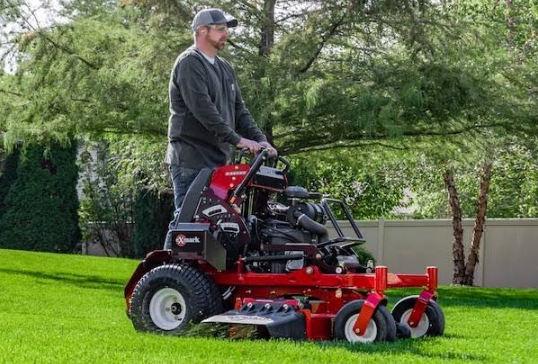
Maintaining a healthy lawn in Clements Ferry and Cainhoy requires more than regular mowing. The Lowcountry climate brings warm-season grasses, sandy soils, coastal humidity, heavy rain, hot summers, and changing weather throughout the year. These conditions can affect grass growth, weed activity, soil compaction, irrigation, and the appearance of flower beds.
A reliable maintenance plan combines routine mowing with seasonal treatments, weed control, fertilization, aeration, irrigation care, shrub trimming, and cleanup. Homeowners who want consistent results can work with a local provider offering Yard Art Landscaping services for lawns and landscapes in the Charleston region. The right plan should be adjusted to the property, the grass type, the amount of sunlight, and the way the yard is used.
Understand the Lowcountry Growing Environment
The first step in lawn care is recognizing that every yard responds to its surroundings. Clements Ferry and Cainhoy properties may have sandy or compacted soil, different drainage conditions, shaded areas, and varying exposure to wind and coastal moisture. A lawn beside a wooded lot may need different care from one in an open, sunny yard.
Warm-season grasses generally grow most actively during warmer periods. Their needs can change as temperatures rise in spring and summer and decline in fall. Applying the same treatment throughout the year may waste resources or create unnecessary stress.
Before developing a maintenance schedule, inspect the lawn for thin areas, standing water, dry spots, weeds, pests, and compacted soil. These observations help identify the underlying issue instead of treating only the visible symptom.
See also: Benefits of Cloud Computing for Businesses
Keep Mowing Consistent
Routine mowing is the most visible part of lawn maintenance. A regular schedule keeps the grass at a manageable height and gives the property a clean appearance. However, mowing too short can weaken the grass and expose the soil to heat and moisture loss.
A useful professional practice is to avoid removing more than one-third of the grass blade at a time. Cutting too much at once can stress the plant and make it more vulnerable to drought, disease, and weed invasion. Mowing frequency should follow the growth rate of the lawn rather than remain identical in every season.
A complete mowing visit may also include trimming around fences, beds, trees, and hard surfaces. Edging creates a clear line along sidewalks and driveways. Blowing clippings from walkways and patios gives the property a finished appearance and keeps loose debris from collecting around entrances.
Control Weeds Before They Spread
Weeds compete with turf for sunlight, water, nutrients, and space. They may appear in the lawn, flower beds, pavement cracks, and areas around landscape borders. Some weeds become especially active when the grass is thin or stressed.
Effective weed management usually combines healthy turf growth with monitoring and appropriate treatment. Mowing at the right height can support stronger grass, while dense turf leaves fewer open spaces for unwanted plants. Pre-emergent treatments may help prevent certain weeds from becoming established, but application timing and product selection matter.
Homeowners should never apply a treatment without understanding its label, use restrictions, and suitability for the grass and surrounding plants. If weeds continue to return, investigate drainage, soil compaction, irrigation coverage, and sunlight instead of repeatedly treating the surface without addressing the cause.
Use Fertilization Based on Lawn Needs
Fertilizer can provide nutrients that support growth, color, and root development, but more fertilizer is not always better. Excessive or poorly timed applications can stress grass and contribute to runoff. A lawn’s requirements depend on its grass type, soil, season, and current condition.
Soil testing can help identify nutrient or pH issues before a fertilization program is created. A professional may use the results along with observations of grass density, color, growth, and drainage. This approach is more precise than applying the same amount to every property.
A seasonal turf program may include early spring, spring, summer, late-summer, and fall treatments. The exact schedule should be adapted to weather and grass activity. Fertilization should also be coordinated with weed management and pest monitoring for a more complete plan.
Improve Soil With Aeration
Soil compaction can develop in areas that receive foot traffic, repeated mowing, construction activity, or pressure from vehicles. Compacted soil has fewer open spaces for air and water, making it harder for roots to grow. Water may run off instead of soaking into the root zone.
Core aeration creates openings in the soil and can improve the movement of air, water, and nutrients. It may help lawns with thin growth, poor drainage, hard surfaces, or visible stress. The best timing depends on the grass type and its active growth period.
Overseeding may be considered after aeration when the lawn needs thicker coverage. However, not every grass variety or season is suitable for overseeding. A professional evaluation can help determine whether aeration, reseeding, soil improvement, or another treatment is appropriate.
Manage Irrigation Efficiently
Irrigation problems can create uneven growth. Broken sprinkler heads, clogged nozzles, leaks, poor coverage, and incorrect scheduling may leave one area dry while another receives too much water. Overwatering can encourage disease and weaken the lawn, while underwatering can cause thinning and discoloration.
Inspect the system regularly and watch for pooling, dry strips, overspray on sidewalks, and damaged components. Watering schedules should change with rainfall, temperature, soil conditions, and seasonal growth. A program that makes sense during a hot, dry period may be excessive after heavy rain.
Irrigation management should focus on delivering water where it is needed. Professional service can help identify coverage problems, adjust zones, maintain drip systems, and improve efficiency. Good irrigation supports the lawn but does not replace proper mowing, soil care, or seasonal treatment.
Maintain Shrubs and Flower Beds
A property’s appearance depends on more than turf. Shrubs, trees, palms, flower beds, and landscape borders all contribute to the overall design. Regular shrub trimming can maintain shape, preserve clearance, and prevent branches from covering walkways or interfering with irrigation.
Flower beds may require weed control, edging, seasonal debris removal, mulch, or pine straw. Clean borders create a stronger visual separation between lawn and planting areas. They also make it easier to see whether weeds, erosion, or drainage issues are developing.
Plant care should reflect the conditions of each bed. Some plants need full sun, while others perform better in shade. Water requirements can also vary. A landscape plan is easier to maintain when the plant choices match the site instead of fighting the available conditions.
Add Mulch or Pine Straw Correctly
Mulch and pine straw can improve the appearance of beds and help protect the soil surface. They may help reduce evaporation, moderate soil temperature, and limit some weed growth when installed properly. They should not be piled directly against tree trunks or plant stems.
The choice between mulch and pine straw depends on the property’s design, plants, maintenance preferences, and desired appearance. Both materials can become displaced by rain, wind, and yard activity, so periodic refreshment may be necessary.
Prepare the bed before adding material. Remove excessive weeds, define the edge, and check for drainage concerns. Applying fresh material over an unmanaged bed may hide problems temporarily rather than solve them.
Schedule Seasonal Lawn Treatments
Seasonal care gives the lawn support as conditions change. Spring service may include cleanup, early weed control, fertilization, dethatching, or preparation for active growth. Summer care often focuses on irrigation, drought stress, pests, disease, and mowing adjustments.
Fall maintenance can include leaf removal, debris clearing, aeration, fertilization, and preparation for cooler weather. Storms may require additional cleanup and inspection of trees, irrigation components, drainage areas, and exposed roots.
A seasonal plan does not mean every property needs the same treatment at the same time. Weather patterns and lawn conditions should guide the schedule. Keeping a record of previous services can help identify recurring problems and improve future decisions.
Choose a Service Package That Fits Your Property
Some homeowners need basic mowing, trimming, edging, and blowing. Others require a broader plan with shrub pruning, flower-bed weed control, debris cleanup, fertilizer, irrigation management, mulch, pine straw, aeration, or turf treatments.
A service package should reflect the property’s size, landscape complexity, amount of shade, number of planting beds, and desired level of personal involvement. A small yard with few beds may need a simpler plan. A larger property with trees, slopes, irrigation zones, and ornamental landscaping may require more frequent attention.
Ask for a clear explanation of what is included in regular weekly or bi-weekly visits. Services such as chemical treatments, mulch applications, pine straw, palm trimming, or irrigation work may be quoted and scheduled separately. Understanding the scope helps prevent unexpected charges and ensures the lawn receives the care it needs.
Protect the Lawn During Heavy Weather
Heavy rain can create erosion, standing water, displaced mulch, and damaged plants. Strong winds may break branches or spread debris across the turf. After severe weather, inspect the property before mowing or applying treatments.
Remove large branches safely and look for exposed roots, damaged irrigation components, blocked drainage paths, and areas where soil has washed away. Avoid driving heavy equipment over saturated ground because it can create additional compaction and rutting.
If a storm causes major damage or the condition of the lawn changes suddenly, request a professional assessment. Early attention can limit the spread of damage and help restore the landscape more efficiently.
Plan for Long-Term Curb Appeal
A healthy lawn is built through consistent care rather than occasional emergency work. Keep a simple record of mowing, fertilization, weed treatments, aeration, irrigation repairs, shrub trimming, and seasonal cleanup. This history makes it easier to identify patterns and plan future services.
Curb appeal also improves when lawn maintenance and landscape design are considered together. Walkways, planting beds, lighting, mulch, pine straw, shrubs, and open turf should work as parts of one outdoor space. A custom design can make the property more functional while keeping maintenance realistic.
Homeowners should communicate how the yard is used. A family with children may need durable open turf. A property used for entertaining may benefit from well-defined beds and comfortable outdoor areas. The best design is attractive but also practical to maintain.
Final Thoughts
Lawn care in Clements Ferry and Cainhoy should respond to the Lowcountry climate, soil conditions, grass type, drainage, and seasonal weather. Regular mowing, edging, weed control, fertilization, aeration, irrigation management, shrub care, mulch, pine straw, and cleanup all contribute to a healthier and more attractive property.
For homeowners seeking local support, lawn maintenance in Clements Ferry and Cainhoy can include customized care plans designed around the property’s needs. A professional estimate can clarify which services should be completed regularly and which treatments should be scheduled seasonally.
Whether you need routine mowing or a broader landscaping solution, lawncareservicecharleston.com provides information about lawn maintenance services for the Charleston area. With consistent care and a plan that fits the property, homeowners can enjoy stronger turf, cleaner beds, improved curb appeal, and a more usable outdoor space throughout the year.
