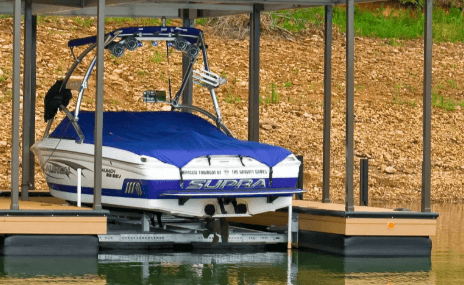
A boat lift is an important part of waterfront property ownership. It makes launching and storing a vessel more convenient, reduces the amount of time a boat sits in the water, and can help protect equipment from changing tides and constant exposure. However, a lift is not a maintenance-free system. Cables, motors, pulleys, bunks, switches, controls, and structural components all need regular attention to keep the equipment operating safely.
Coastal South Carolina presents additional challenges for marine equipment. Salt air, humidity, rain, tidal movement, and frequent use can accelerate wear and corrosion. Homeowners, marinas, and condominium communities in the Charleston area can benefit from a consistent maintenance plan and support from an experienced marine-service provider such as Boat and Cargo Lifts Carolinas. The right care can reduce unexpected downtime and help identify small problems before they become expensive repairs.
Why Boat Lift Maintenance Matters
A boat lift carries significant weight every time it raises or lowers a vessel. If one component begins to fail, the problem can affect the balance and operation of the entire system. A worn cable, damaged pulley, weak motor, or misaligned bunk may create additional strain on other parts.
Regular maintenance helps owners identify these concerns early. It also supports smoother operation and gives property owners an opportunity to address safety issues before using the lift again. Maintenance cannot eliminate every failure, but it can make problems easier to detect and may extend the useful life of the equipment.
A well-maintained lift can also help protect the boat. If a lift does not raise evenly or the bunks do not support the hull correctly, a vessel may shift, rub against the structure, or sit at an unsafe angle. Proper inspections help ensure that the boat and lift work together as intended.
Inspect Cables for Wear and Corrosion
Cables are among the most important components of a boat lift. They support the lift platform and transfer the force needed to raise and lower the boat. Over time, cables can develop broken strands, kinks, rust, flattening, or other signs of damage.
Inspect visible cable sections regularly, particularly near attachment points, pulleys, and areas exposed to water or spray. Look for changes in the cable’s shape or texture. A cable that appears frayed or heavily corroded should not be ignored. Continuing to operate a lift with a damaged cable can increase the risk of an uneven lift or sudden failure.
Cable re-spooling may be necessary when cable becomes tangled, unevenly wound, or improperly positioned on a drum. This work requires attention to alignment and tension. If you are uncertain about the condition of the cable or how it should be installed, have a qualified marine technician inspect it instead of attempting a temporary fix.
Check the Motor and Gearbox
The motor and gearbox provide the power needed to operate the lift. Unusual sounds, slow movement, overheating, inconsistent performance, or failure to start can indicate a problem. A motor that struggles under normal conditions may be experiencing electrical, mechanical, or load-related issues.
Keep the motor area clean and protected from unnecessary water exposure. Check for loose connections, signs of corrosion, damaged wiring, and moisture around electrical components. Do not work on energized equipment unless you are qualified to do so. Turn off the appropriate power source before performing any basic visual inspection.
A motor replacement is not always the first solution. In some cases, the problem may involve a switch, control, gearbox, wiring connection, or overloaded system. A professional diagnosis can help identify the actual cause and prevent the unnecessary replacement of working components.
Test Limit and Automatic Stop Switches
Automatic and limit switches help control how far a lift travels. These components can help prevent the system from continuing to run after reaching the intended upper or lower position. If a switch is misaligned, damaged, or not functioning consistently, the lift may travel too far or stop before completing its cycle.
Test the controls according to the manufacturer’s instructions and pay attention to any changes in operation. A lift that does not stop at the expected point should be taken seriously. Do not bypass a safety switch simply to keep the system running. A temporary workaround can create a more dangerous condition and may cause additional damage.
If the switch activates inconsistently, professional service may be needed to inspect the wiring, positioning, and related control components. Reliable automatic stopping is an important part of safe lift operation.
Examine Bunks and Guide Posts
Bunks and guide posts help position and support the boat. They should be adjusted to match the vessel’s hull and should remain secure during repeated use. If the bunks are worn, loose, misaligned, or positioned incorrectly, the boat may not sit evenly on the lift.
Look for damaged padding, loose hardware, shifting supports, or visible gaps between the boat and the intended support surfaces. When a vessel appears to lean or move unusually during lifting, stop and investigate the cause. The correct adjustment depends on the boat design, lift type, water conditions, and dock configuration.
Bunk and guide-post adjustments are especially important when a property owner changes boats. A lift configured for one hull may not safely support a different vessel. Have the system evaluated before placing a new boat on an existing lift.
Protect Components From the Coastal Environment
Saltwater and coastal air can accelerate corrosion on metal parts and electrical equipment. Regular rinsing and cleaning can help remove salt and debris from exposed components, but owners should follow the equipment manufacturer’s recommendations. Using the wrong cleaning products or applying water directly to sensitive electrical parts may cause additional problems.
Look for rust, discoloration, cracked protective coatings, and corrosion around bolts, brackets, motors, and connections. Replace or repair affected components before the damage spreads. Lubrication may also be appropriate for certain moving parts, but not every component should be lubricated in the same way. Use products and procedures suited to the specific lift system.
A coastal maintenance plan should account for periods of heavy rain, storms, high winds, and extended periods when the lift is not being used. After severe weather, inspect the dock, lift, cables, controls, and support structure before launching a boat.
Do Not Ignore Unusual Movement or Sounds
Boat lift problems often provide warning signs. Grinding, clicking, squealing, or popping sounds may indicate wear, misalignment, or a problem with a moving part. Uneven lifting, jerky movement, vibration, or a platform that stops unexpectedly also deserves immediate attention.
Do not continue operating the lift repeatedly in the hope that the problem will disappear. Repeated use can increase the load on a damaged component. Lower the boat safely if possible, disconnect power when appropriate, and arrange an inspection.
A technician can examine the cable path, motor, pulleys, switches, frame, bunks, and electrical system. Finding the source of the symptom is generally more useful than replacing a random part without understanding the underlying issue.
Schedule Professional Inspections
Even careful owners may not notice problems hidden inside a motor, gearbox, control box, pulley, or cable assembly. A professional inspection can provide a more complete assessment of the system. It may include checking cable condition, electrical connections, motor performance, structural alignment, safety switches, bunks, and related components.
New homeowners should arrange an inspection when they purchase a property with an existing lift. The equipment may have an unknown service history, and its capacity or configuration may not be immediately clear. An inspection can help establish a maintenance baseline and identify repairs that should be completed before regular use.
Condominium associations and marinas can also benefit from scheduled inspections. Shared equipment is often used by multiple people and may experience heavier wear than a private residential lift. A written maintenance schedule can make it easier to track service, prioritize repairs, and communicate safe operating procedures.
Cargo Lift Maintenance Requires Similar Care
Cargo lifts help waterfront property owners move supplies, luggage, groceries, equipment, and boating gear between different elevations. Like boat lifts, cargo lifts use motors, cables, controls, safety components, and structural supports that require regular inspection.
A cargo lift should be operated within its intended weight and use limits. Overloading can place unnecessary stress on the motor, cables, frame, and lifting mechanism. Inspect the basket, safety pan or lock system, control equipment, and cable assembly for signs of damage. If the lift makes unusual sounds or moves unevenly, stop using it until the cause has been evaluated.
Preventive maintenance can improve reliability and reduce manual lifting risks. For waterfront homes and businesses, keeping a cargo lift in good condition can make daily transportation more efficient while supporting safer operation.
Choose Service Based on the System’s Needs
Every waterfront property is different. Water depth, dock design, boat size, lift capacity, exposure, and frequency of use all affect maintenance requirements. A residential lift may need a different service plan from a marina or commercial dock system.
When requesting service, provide useful information about the lift type, boat or cargo capacity, symptoms, recent repairs, and the property location. Photos or short videos may help a technician understand the issue before visiting. Ask which components will be inspected, whether replacement parts are needed, and what maintenance should be completed afterward.
For properties around Charleston and other South Carolina communities, local marine experience can be valuable. A service provider familiar with coastal conditions may better understand the effects of salt exposure, tides, weather, and frequent waterfront use.
Create a Practical Maintenance Schedule
A maintenance schedule should include routine visual checks, seasonal inspections, and professional service. Before every use, look for obvious cable damage, unusual obstructions, loose parts, and signs that the boat is not centered correctly. During regular service, inspect the motor, pulleys, cables, bunks, switches, controls, and frame.
Keep a written record of inspections and repairs. Note the date, work completed, parts replaced, unusual symptoms, and the name of the service provider. These records can help identify recurring problems and demonstrate that the equipment has been maintained responsibly.
After a storm, a long period of inactivity, or a change in boat ownership, schedule an additional inspection. Preventive attention is usually easier to manage than an emergency repair after a component fails while the boat is suspended.
Final Thoughts
Boat lifts provide convenience and protection, but they depend on multiple mechanical and electrical components working together. In coastal South Carolina, salt air, moisture, tides, and weather make regular care especially important. Inspect cables, motors, switches, bunks, guide posts, controls, and structural parts, and respond quickly to unusual sounds or uneven movement.
Professional maintenance can help homeowners, marinas, condominium communities, and businesses keep their lift systems dependable. It can also help identify safety concerns before they affect a boat, cargo, dock, or person. For installation, inspections, repairs, cable service, motor work, controls, and related marine support, boatandcargoliftcarolinas.com provides information about boat and cargo lift services in South Carolina.
A consistent maintenance plan is a practical investment in waterfront equipment. By keeping accurate records, following operating limits, and arranging qualified service when needed, property owners can enjoy easier access to the water while reducing preventable breakdowns and unnecessary repair costs.
