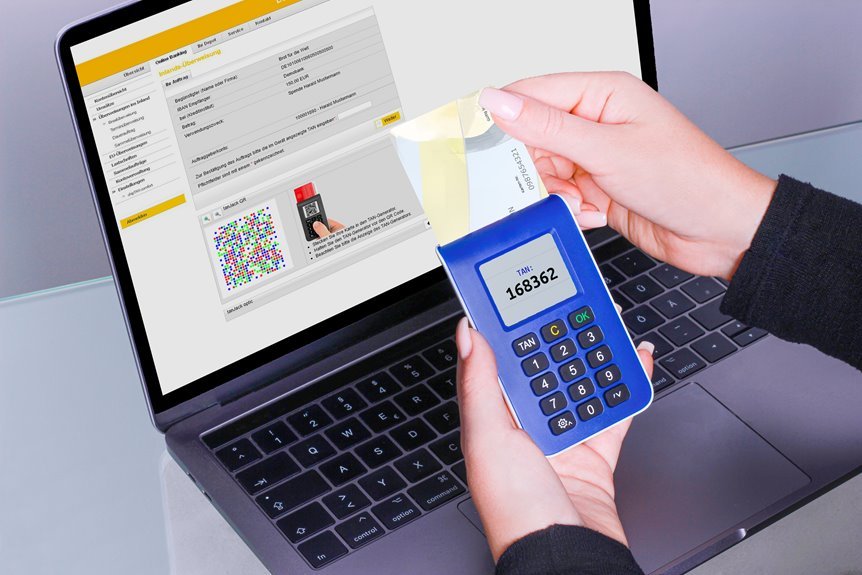
The SolarTitan Authentication Nexus presents a centralized framework for identity, permissions, and access governance across the ecosystem. It combines biometrics fusion, device trust, and behavioral analytics to enable continuous risk-based authentication with a frictionless user experience. The approach prioritizes interoperability, telemetry, and governance to reduce false positives while preserving transparency and accountability. As privacy norms and device dynamics evolve, the framework invites careful scrutiny of readiness, patterns, and measurable outcomes to justify adoption.
What Is Solartitan Authentication Nexus and Why Now?
SolarTitan Authentication Nexus refers to a centralized framework designed to manage and verify identities, permissions, and access across SolarTitan’s ecosystem.
The analysis emphasizes governance, interoperability, and risk mitigation amid evolving digital norms.
It examines why now, signaling urgency for robust control.
Biometrics privacy and Device trust evolution shape policy emphasis, balancing freedom with safeguards and transparent accountability.
How Biometrics, Device Trust, and Behavior Fuse for Frictionless Security
Biometrics, device trust, and behavioral analytics increasingly operate as an integrated triad that underpins frictionless security within the SolarTitan Authentication Nexus. This convergence enables continuous authentication, balancing user freedom with risk awareness.
Biometrics fusion consolidates identity signals, while device trust anchors context and integrity. Together with behavioral cues, they enable seamless access, reducing friction without compromising evaluative rigor and provenance.
Continuous Risk-Based Authentication in Practice
Is continuous risk-based authentication (RBA) practical enough to sustain security without hampering user flow? The assessment remains cautious: risk based signals must be calibrated to minimize friction while preserving protection.
In practice, dynamic thresholds, real-time risk scoring, and adaptive prompts support continuous trust, yet require robust telemetry and governance to prevent false positives and user fatigue.
Evaluating Readiness: Implementation Patterns and Success Metrics
Evaluating readiness for continuous risk-based authentication requires a structured examination of implementation patterns and the metrics used to gauge success. The assessment focuses on biometric integration, device attestation, and behavioral analytics, identifying benchmarks for performance, security, and user experience.
Emphasis rests on interoperability, scalable architectures, and governance, ensuring continuous risk based authentication remains precise, adaptable, and aligned with freedom-led, cautious adoption.
Frequently Asked Questions
What Privacy Safeguards Protect Biometric Data in Solartitan Nexus?
The privacy safeguards for biometric data in SolarTitan Nexus emphasize robust encryption, access controls, and audit trails; scalability considerations affect enterprise deployment; licensing models impact cost implications. Offline authentication, nexus workflows, support SLAs, deployment timelines, and governance are prudently outlined.
How Scalable Is Solartitan Nexus for Large Enterprises?
Solartitan Nexus scales with modular clusters, enabling parallel authentication pipelines. It demonstrates favorable scalability benchmarks, yet enterprise deployment challenges persist; careful capacity planning and governance are required to sustain performance under rising loads, latency constraints, and compliance demands.
What Are the Cost Implications and Licensing Models?
The cost implications depend on deployment scale, feature tiers, and support levels; licensing models vary between perpetual, subscription, and usage-based arrangements. Detailing expected total cost requires precise configurations, governance needs, and long-term licensing compliance considerations.
How Does Offline Authentication Work With Nexus?
Offline authentication with Nexus uses local tokens and synchronized checks, ensuring continuity when offline. Biometric encryption safeguards credentials, enabling secure local verification, while periodic re-synchronization preserves trust. Analysts note potential drift, mitigated by strict replay protections and audits.
What Support and SLAS Accompany Deployment?
Deployment includes defined support SLA and privacy safeguards, detailing incident response times, uptime commitments, and lifecycle management. The policy emphasizes proactive monitoring, clear breach notification, and auditable controls for operators seeking freedom with reliable service.
Conclusion
The Solartitan Authentication Nexus represents a disciplined effort to harmonize identity, device trust, and behavioral analytics within a governance-driven framework. While integrating biometrics fusion and continuous risk signals promises frictionless access, the approach demands rigorous telemetry, privacy safeguards, and transparent accountability to avoid false positives. Practitioners should adopt measured pilots, quantify risk-adjusted outcomes, and enforce governance controls. In practice, progress should proceed cautiously, like threading a needle in a storm, balancing innovation with robust safeguards and clear responsibility.
